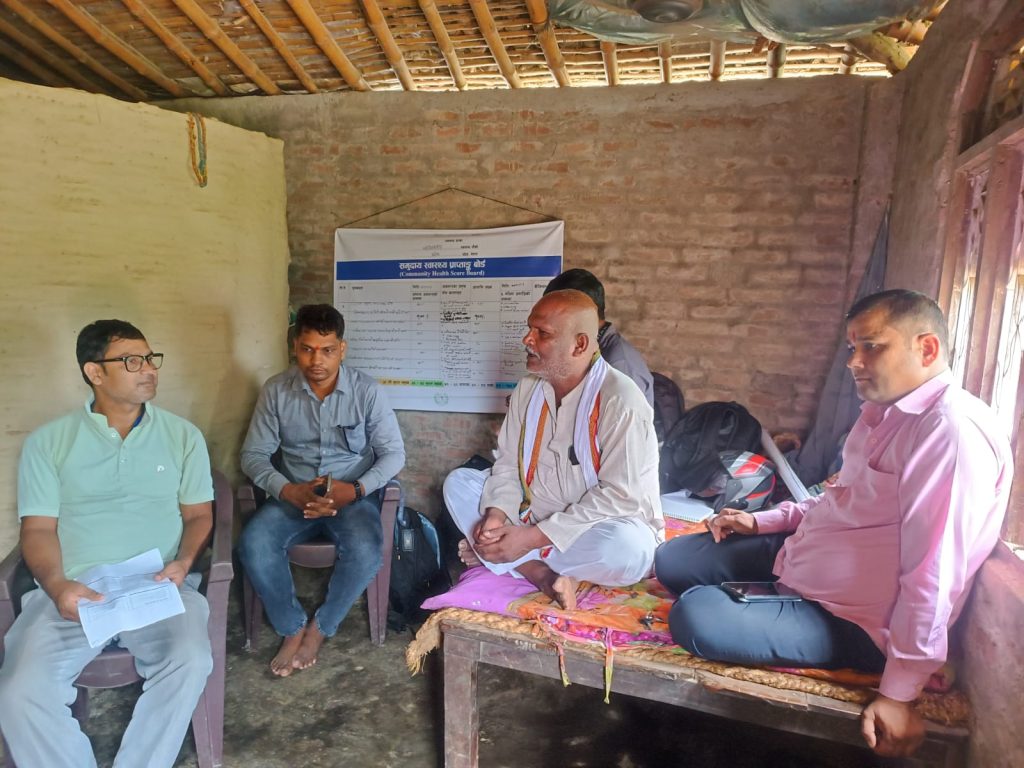
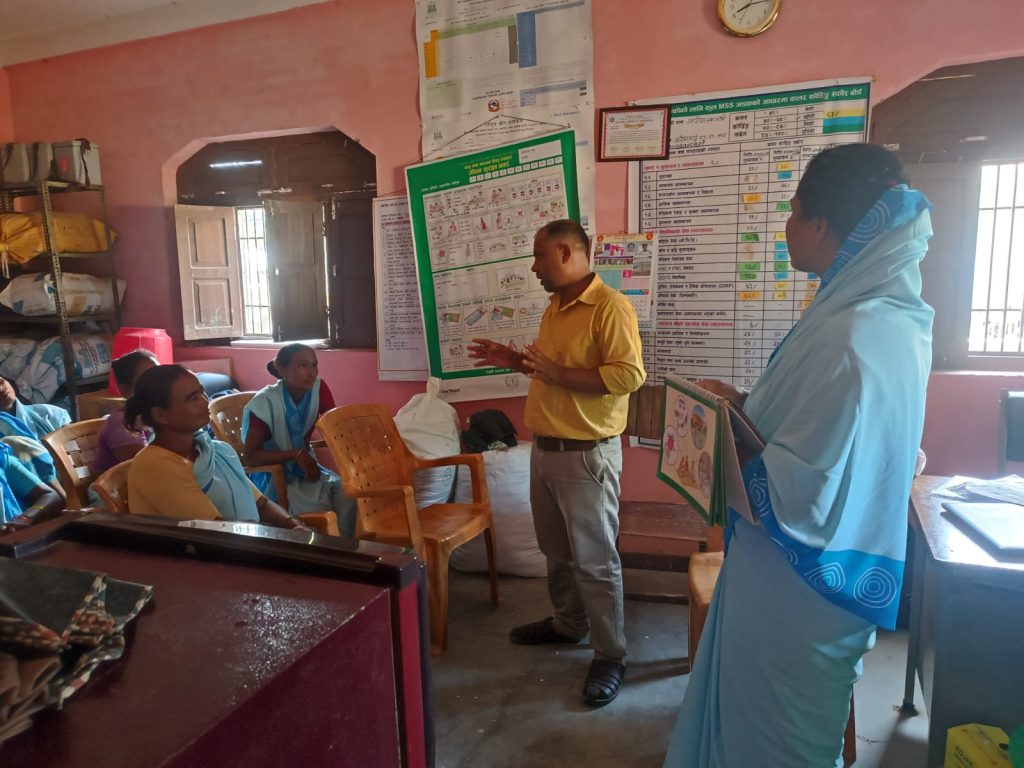
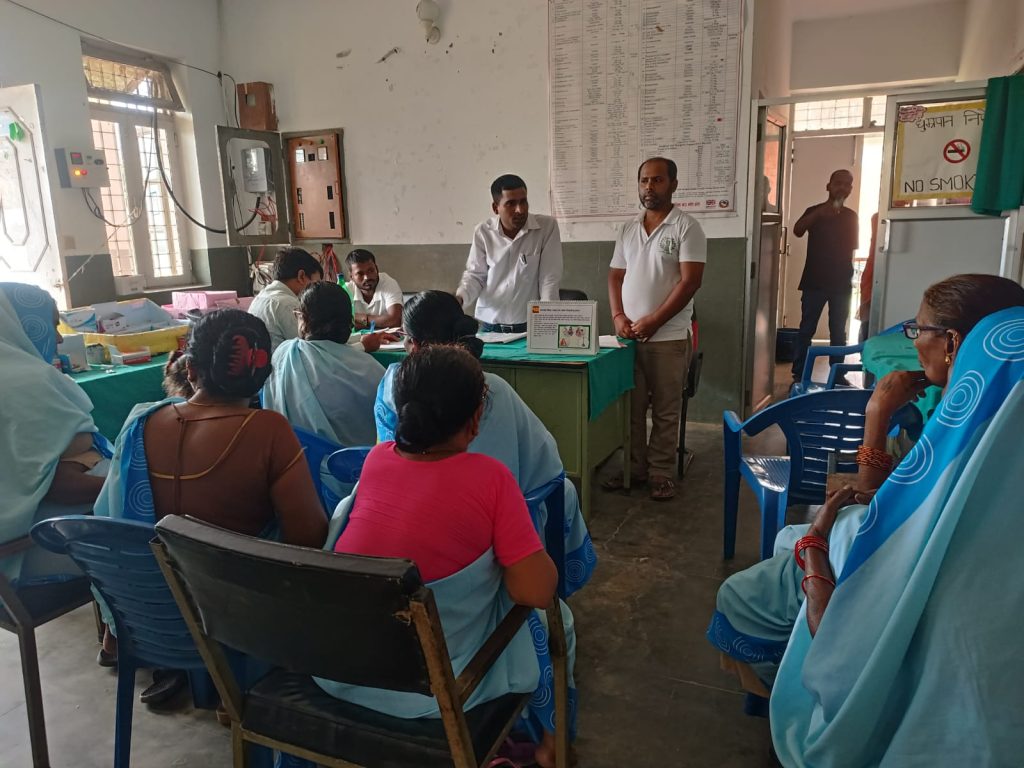
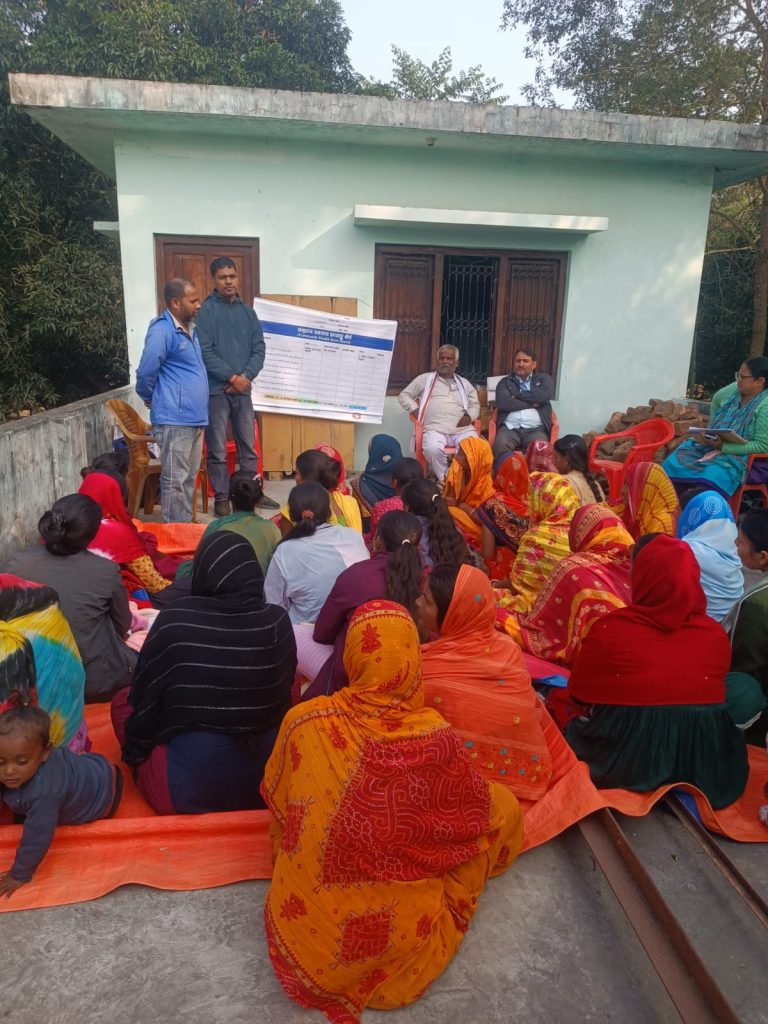
All Palikas of Bara district
Diration: 1st January to 31st December 2026
Budget: 34,703,065./-
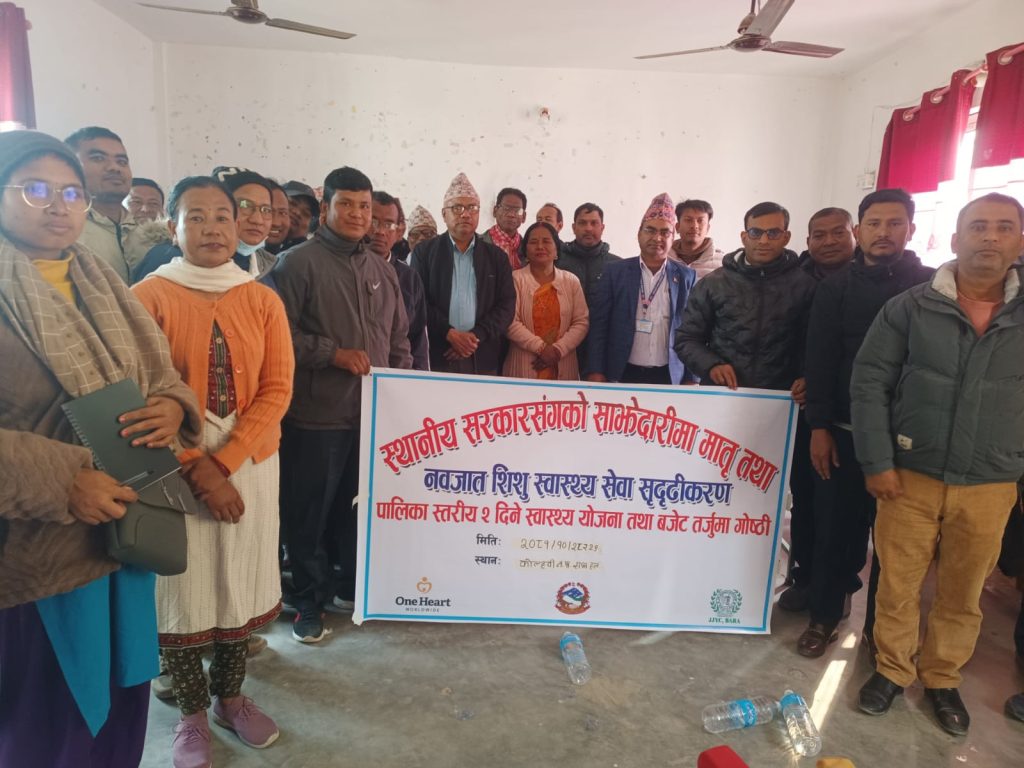
OHW and JJYC, Bara started implementing SMNH project in all local levels of Bara District Nepal since
2023. JJYC, the support of One Heart Worldwide, has undertaken the initiative to implement the SMNHS
Project in Bara, Nepal. The project, which commenced in April 2023 and is scheduled to continue until
2026, aims to significantly enhance the maternal and newborn health conditions within the district.
Through a strategic partnership with the local government, JJYC and One Heart Worldwide are working
tirelessly to address the pressing issues surrounding maternal and newborn health in Bara. The project
aligns itself with government priorities, policies, and programs. the organization has been supporting the
Government of Nepal’s national plans to provide quality MNH services to the pregnant women and their
JJYC Annual Report 2081-2082
newborn babies in the rural settings. OHW’s and JJYC goal is to improve access to quality MNH services
focusing on the vulnerable population of the rural areas. OHW and JJYC implements its project activities using the Network of Safety model in three different phases The organization is expanding its programs.
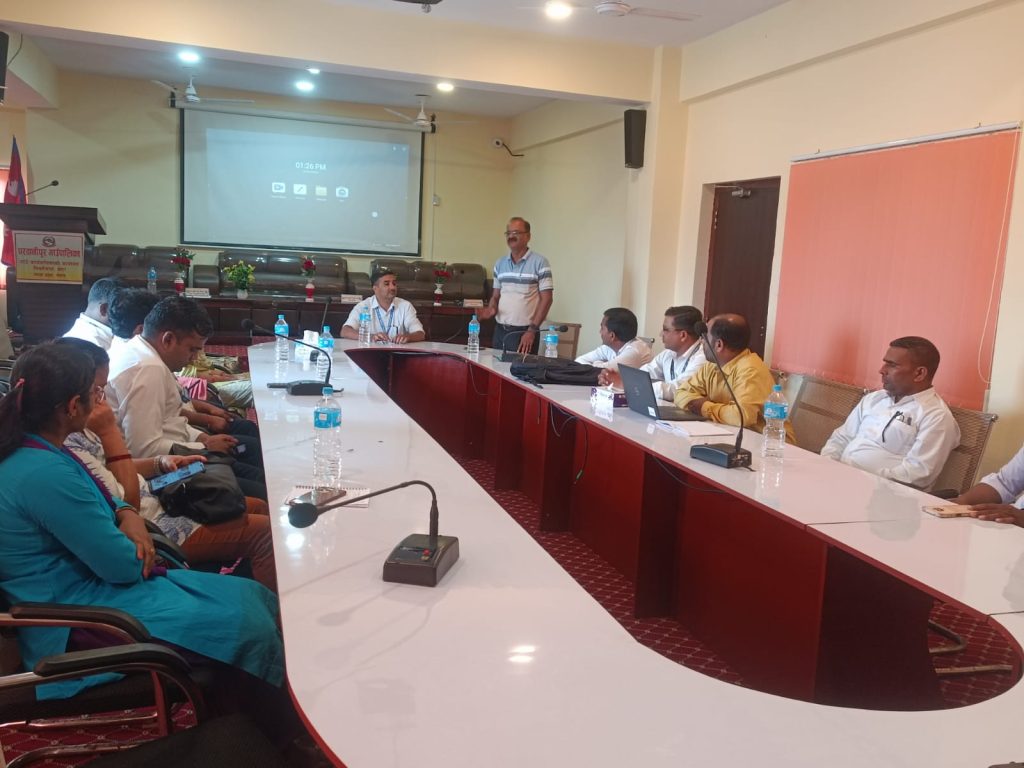
1.Major interventions
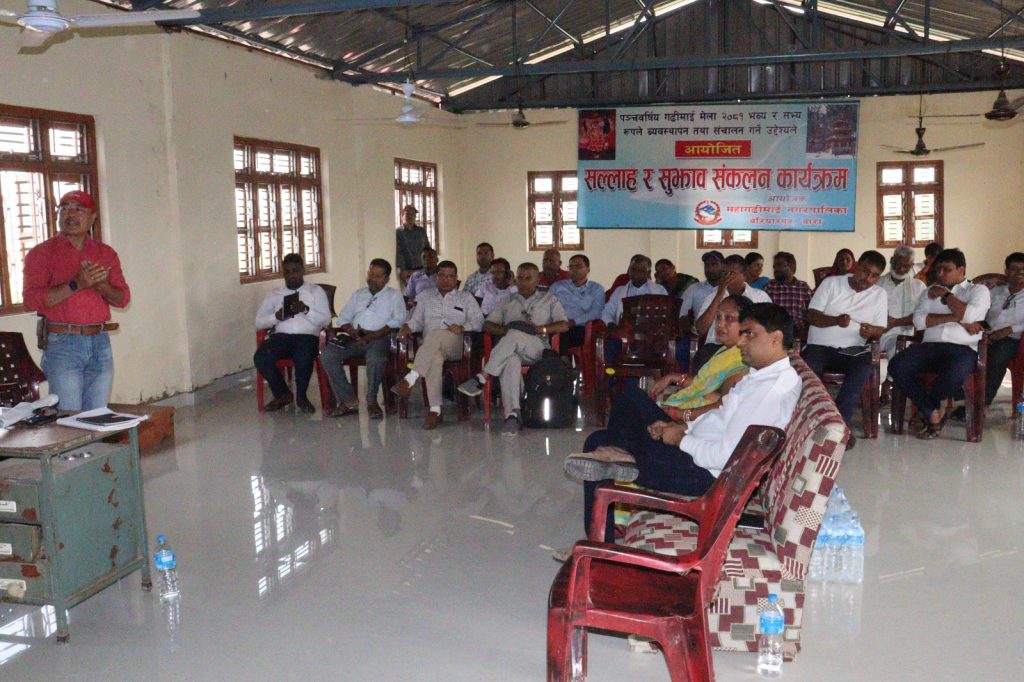
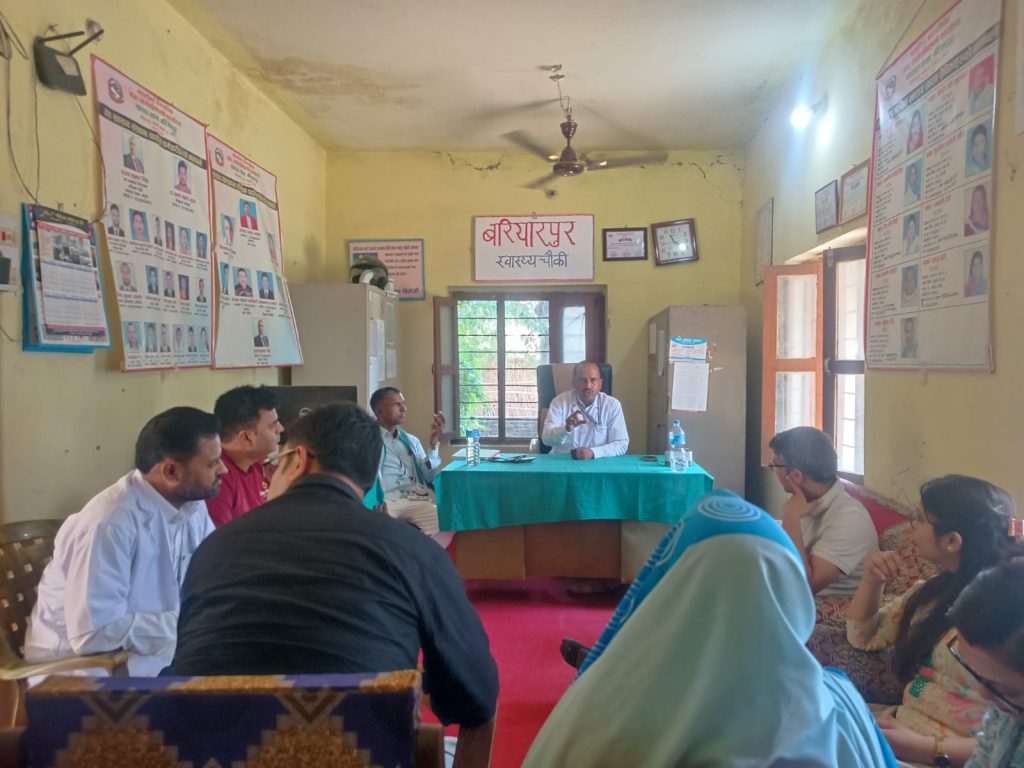
HFOMC training at HF level
HFOMC monthly meeting’s follow up
Develop/update comprehensive health profiles at Palika level
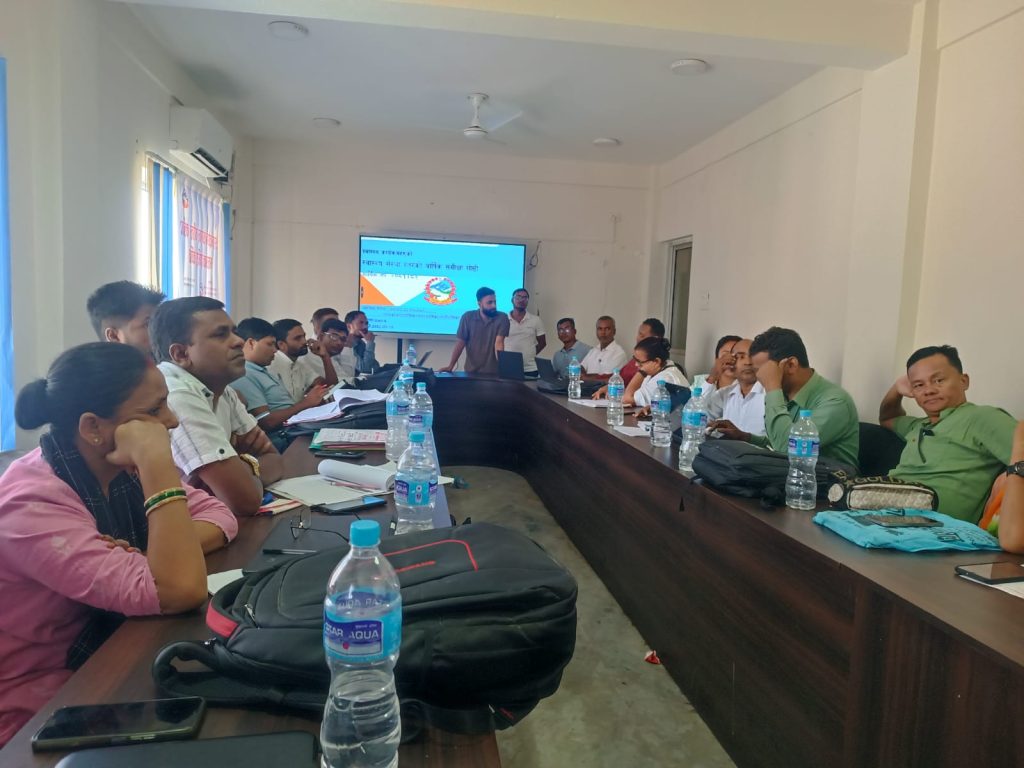
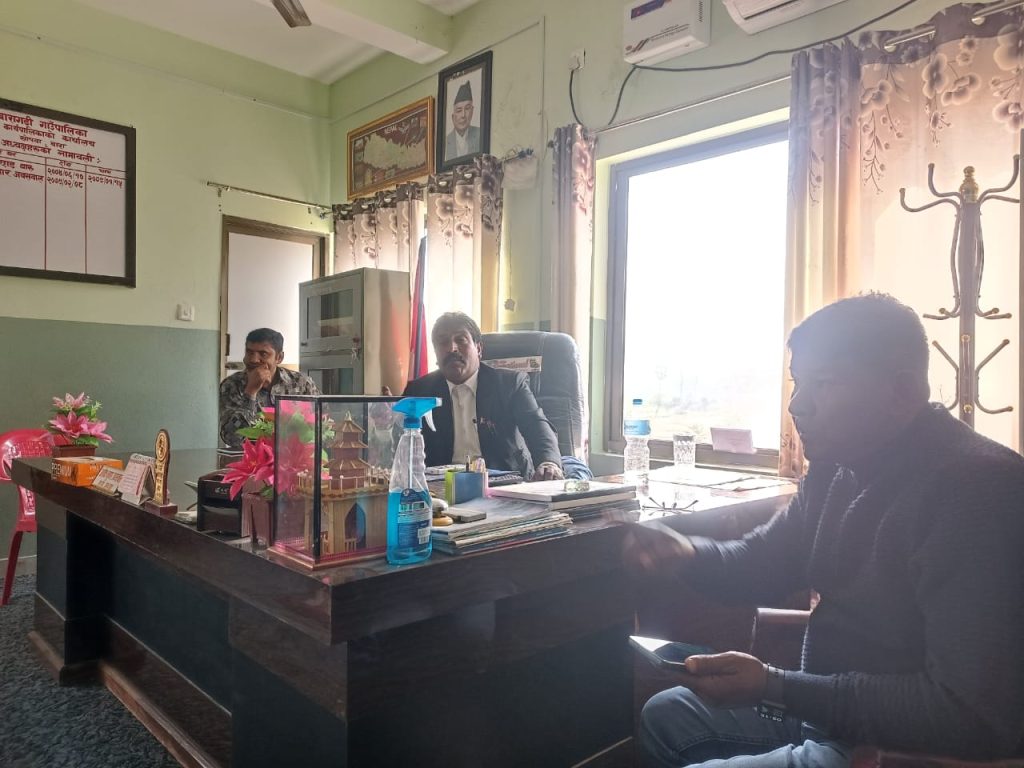
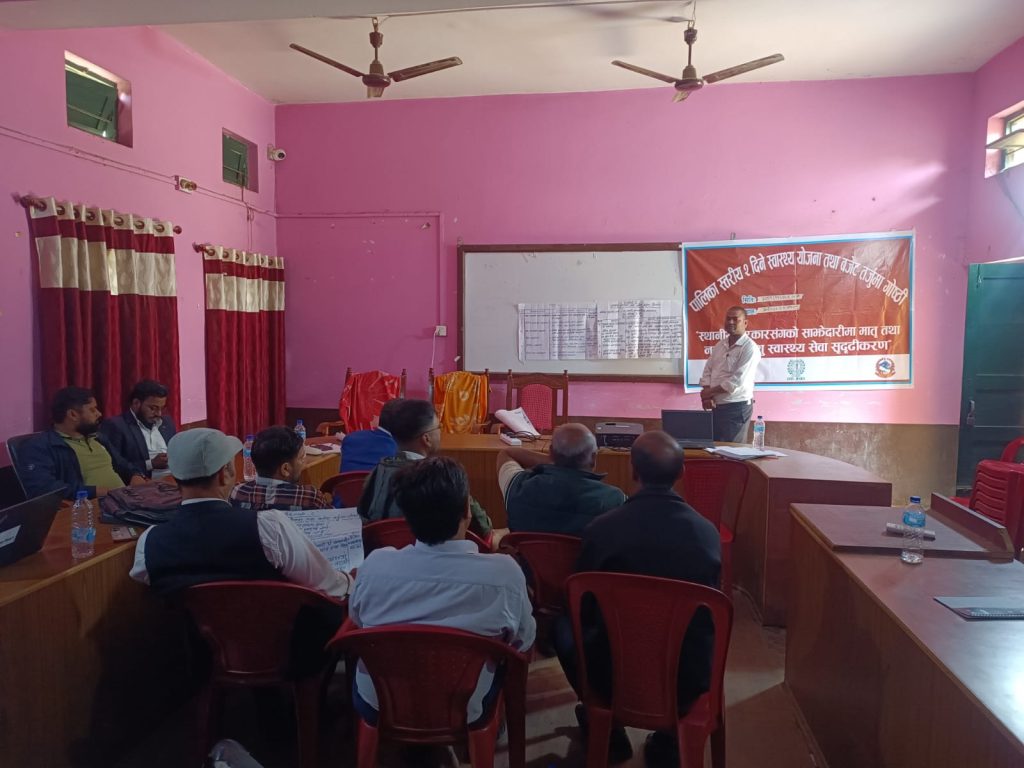
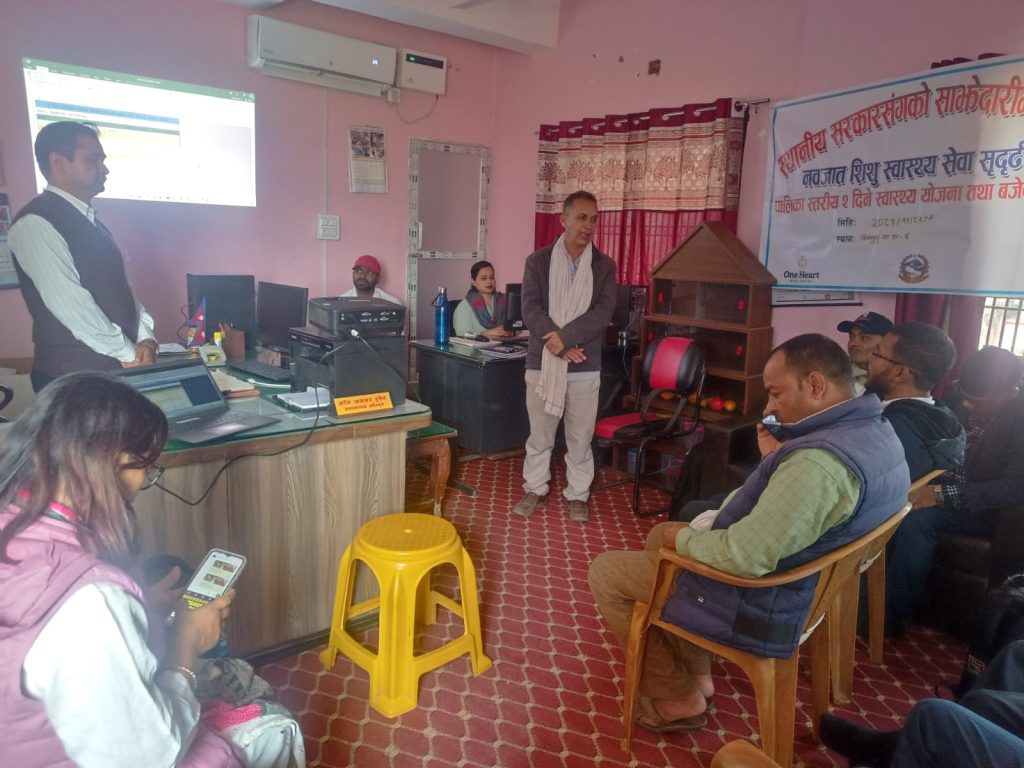
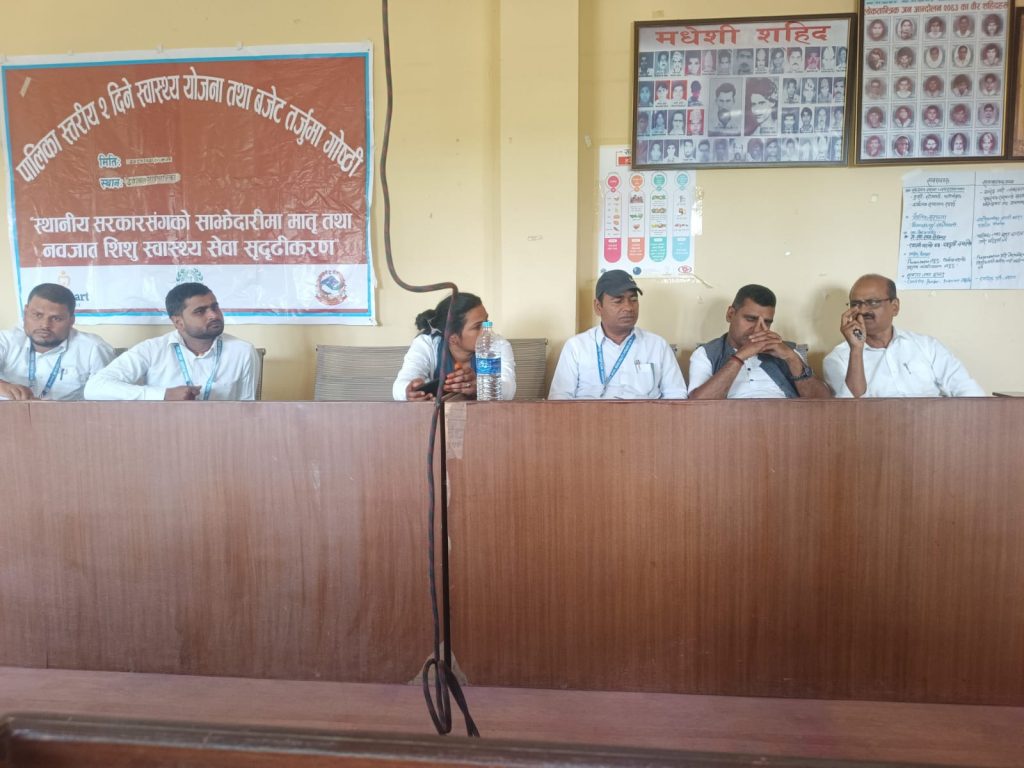
Technical assistance at Palika level for annual planning and budgeting of health services
(Phase 3)
Health planning and budgeting workshop (phase 2)
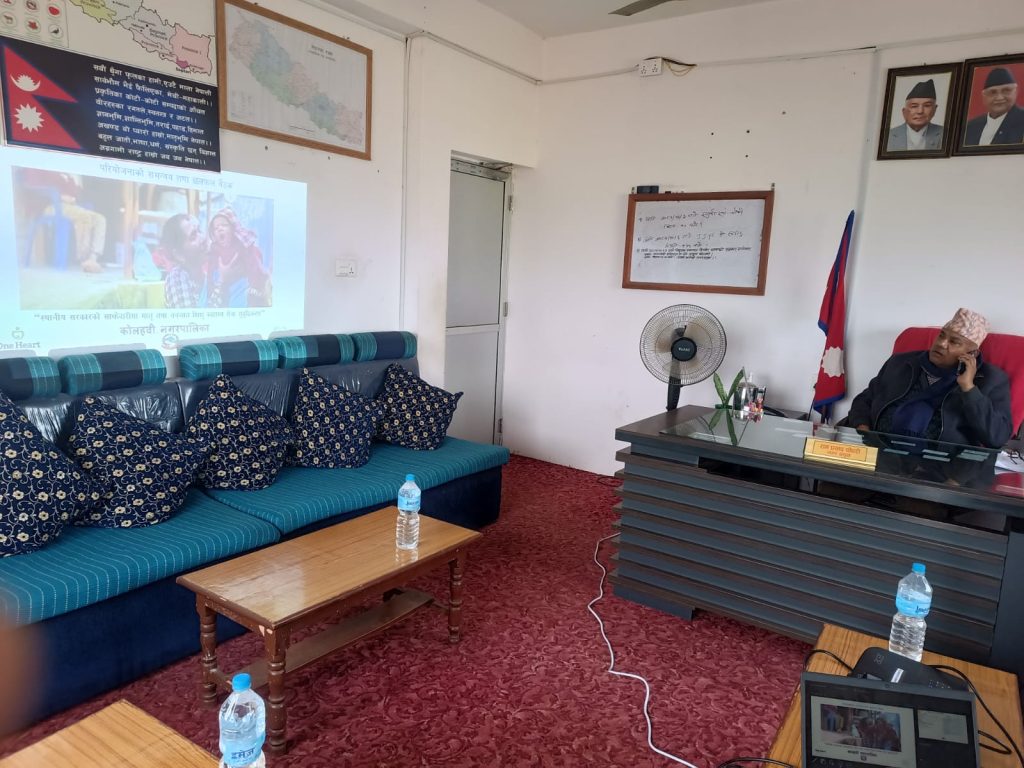
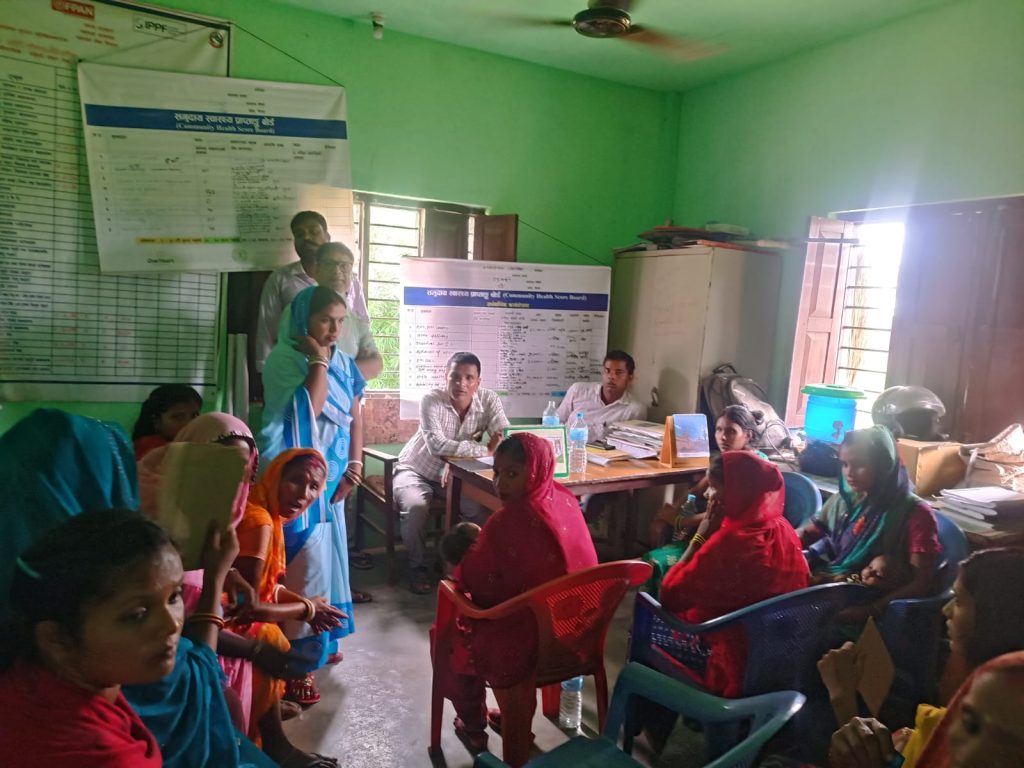
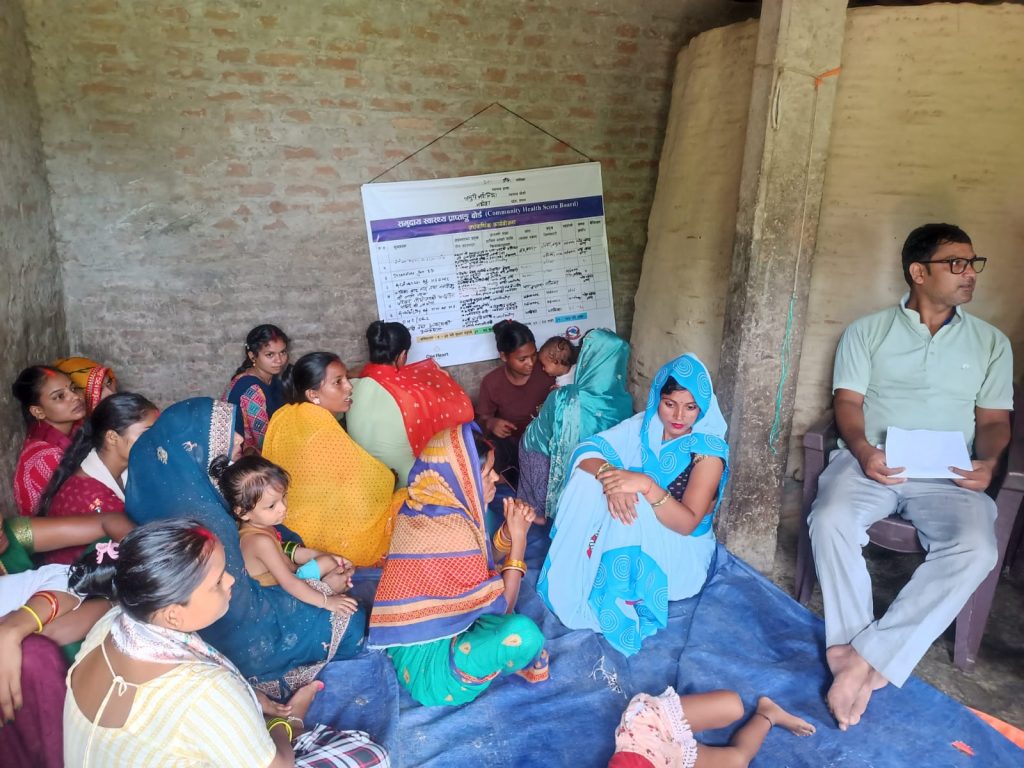
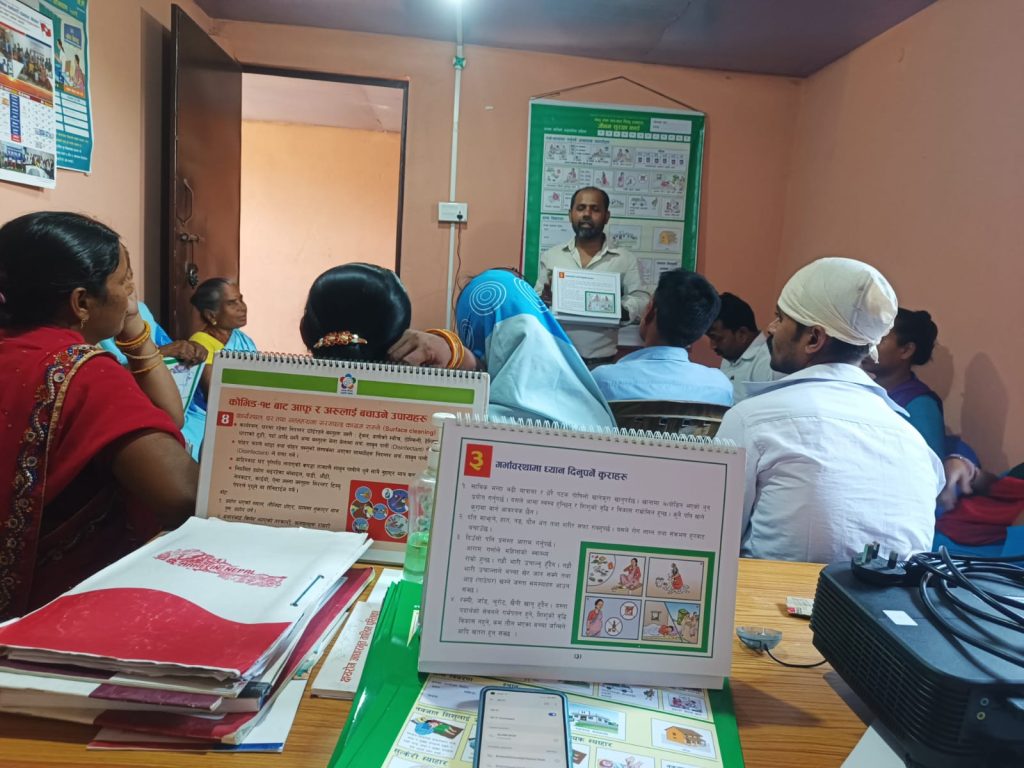
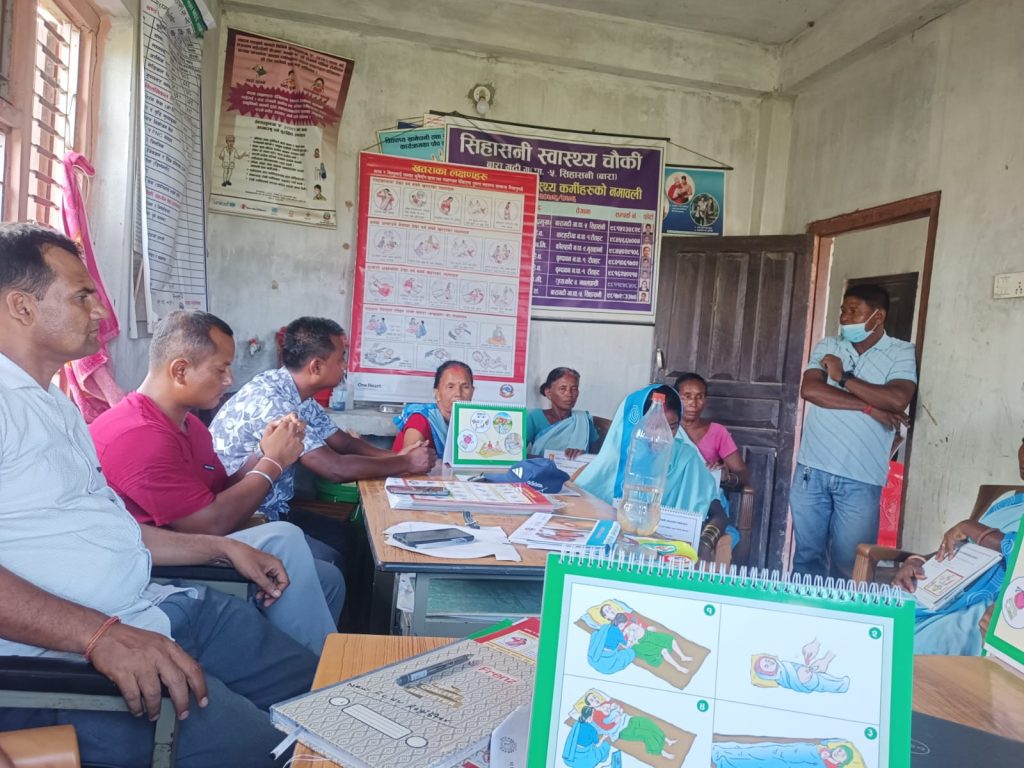
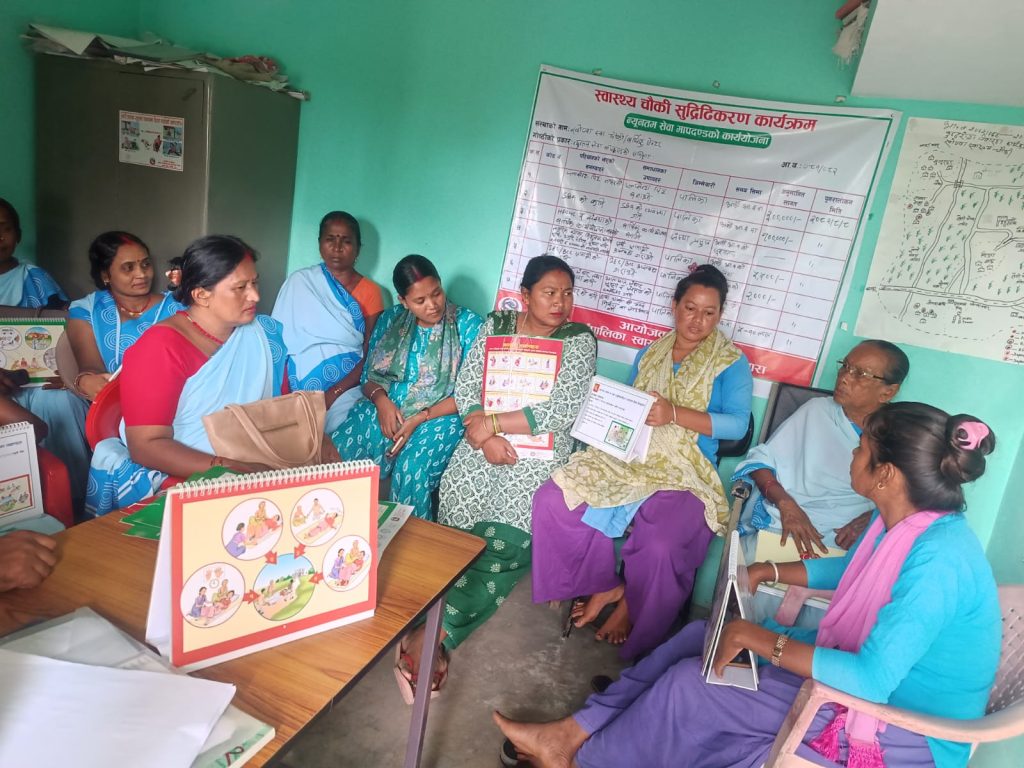
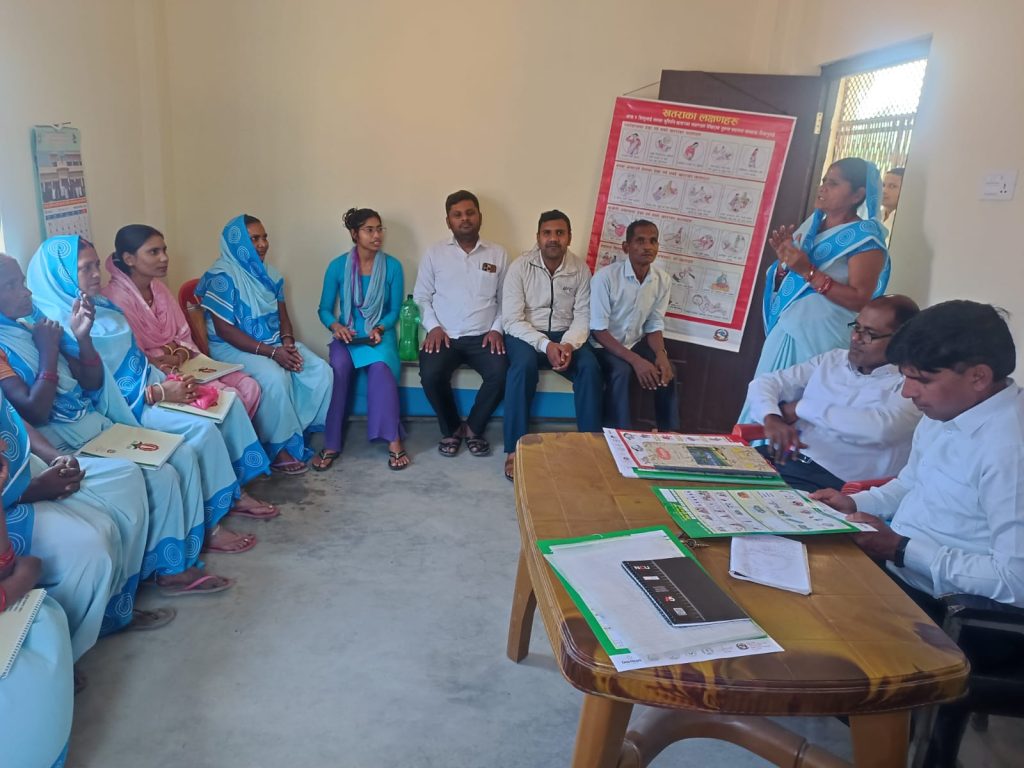
Conduction of health mother’s group meetings using self-applied tool for quality health
(SATH)
Interface meeting involving HFOMC members, health workers, service users, FCHVs,
representatives from CBOs, local influential leaders, and representative from local
government
Review meeting every six month
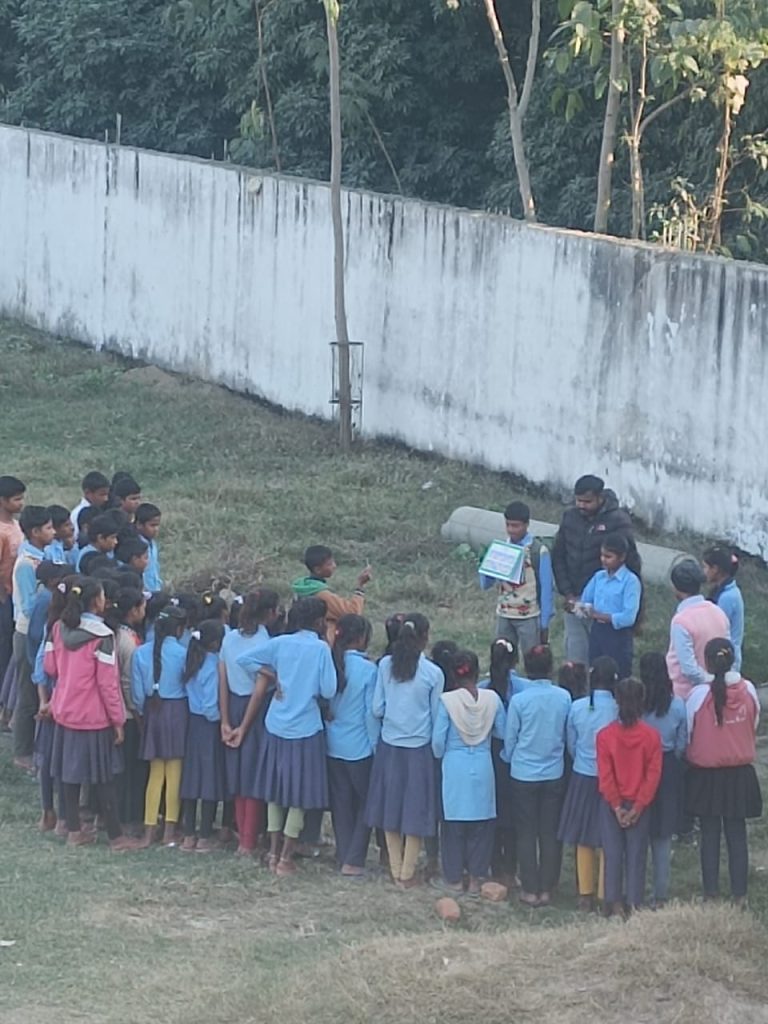
JJYC Annual Report 2081-2082 Orientation and mobilization of ‘student champion’ on MNH focusing on the local barriers of
MNH service utilization
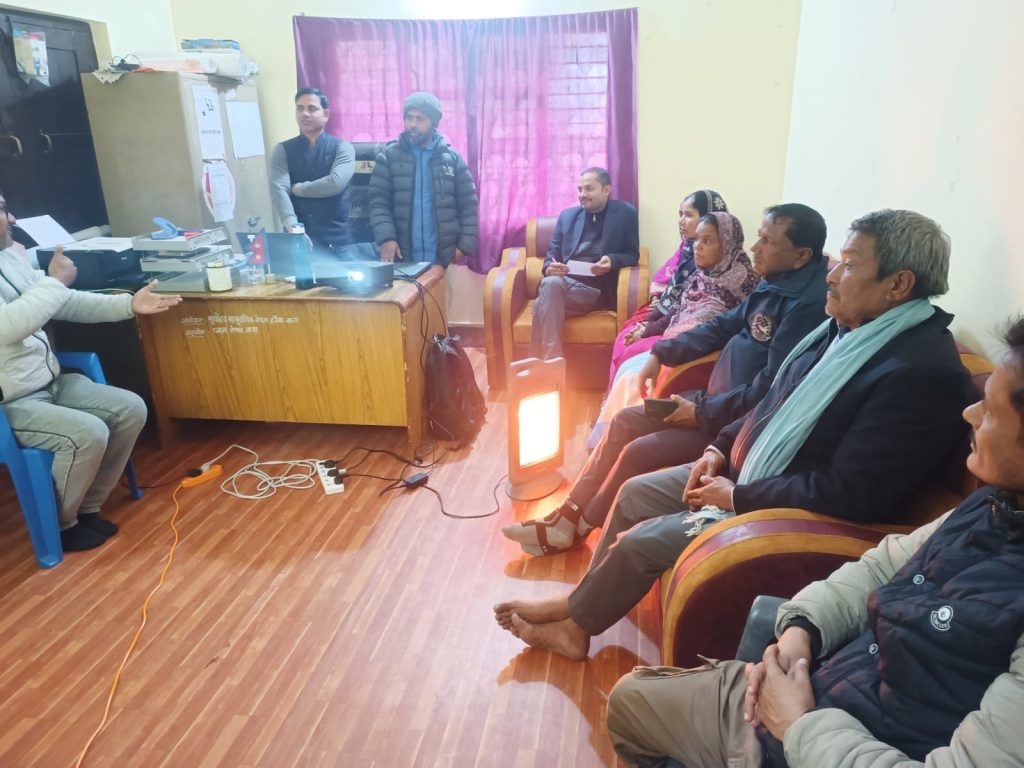
interaction program with pregnant, recently delivered women, caretakers, and family
members to increase health seeking behavior
MNH message broadcasting via radio/FM
BPP/MISO refresher training to FCHVs and Health workers at HF
MNH program review with FCHV including BPP/MISO
BC Renovation
SBA Training
RUSG Training and Machine.
Clinical mentor Training
Conduct a pre and post assessment at Hub site
Conduct a monthly virtual session for spoke site including remaining BC of district
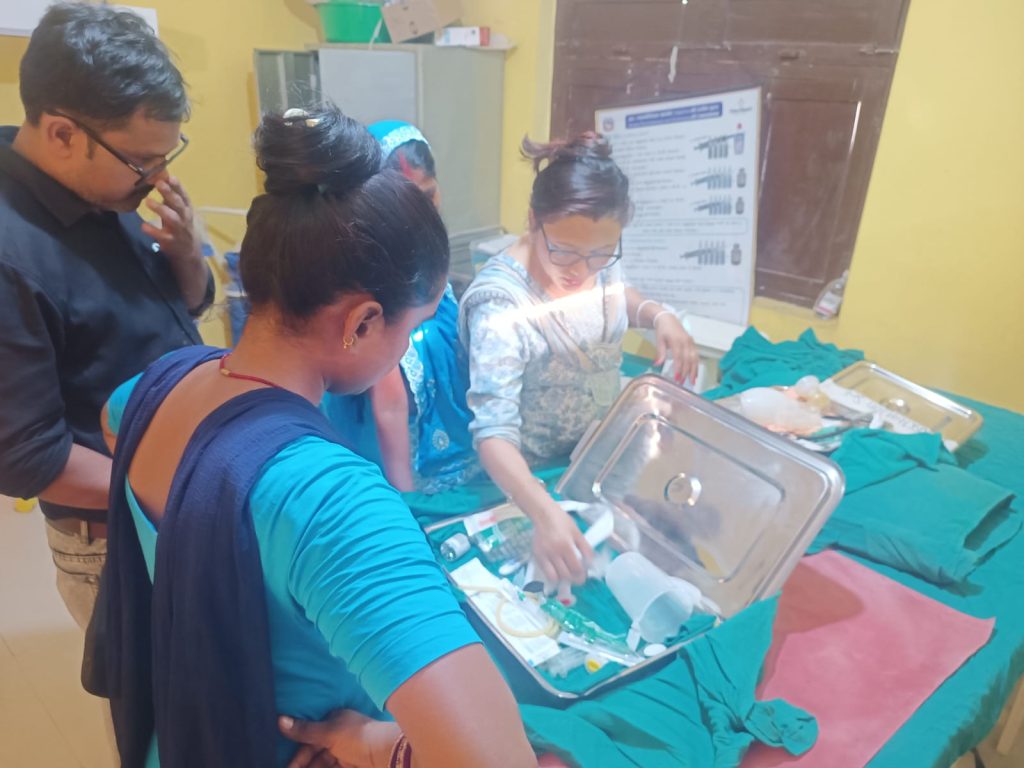
Establish newborn resuscitation corner at selected spoke sites
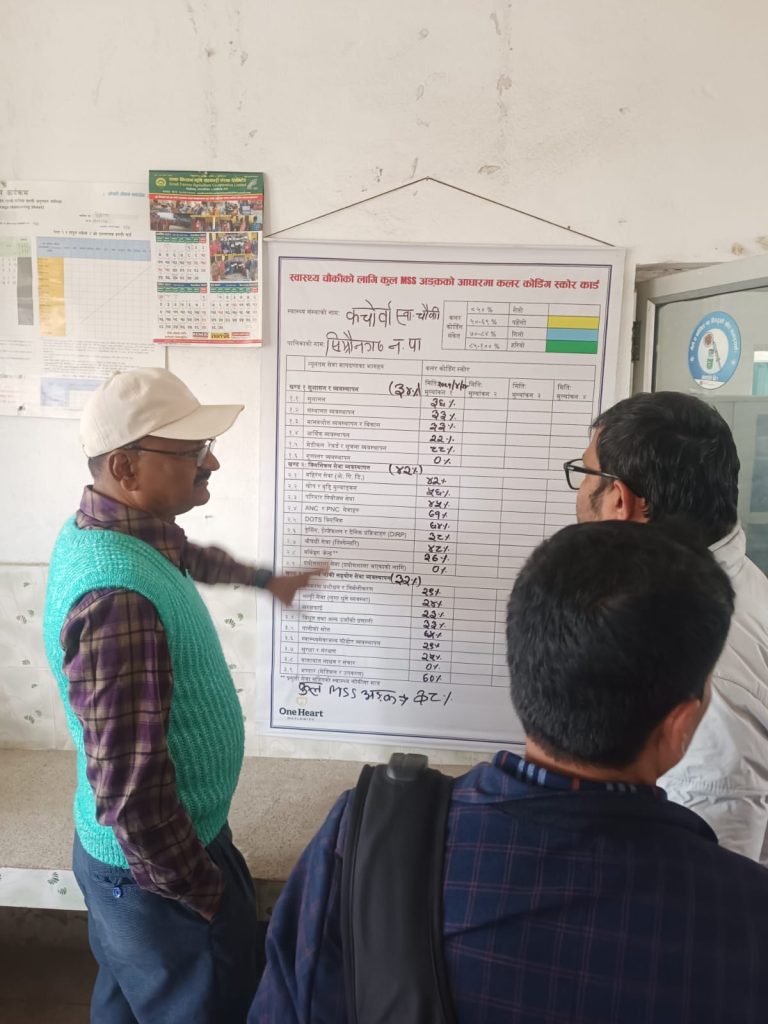
First time MSS/QIP for health facilities and Follow Up
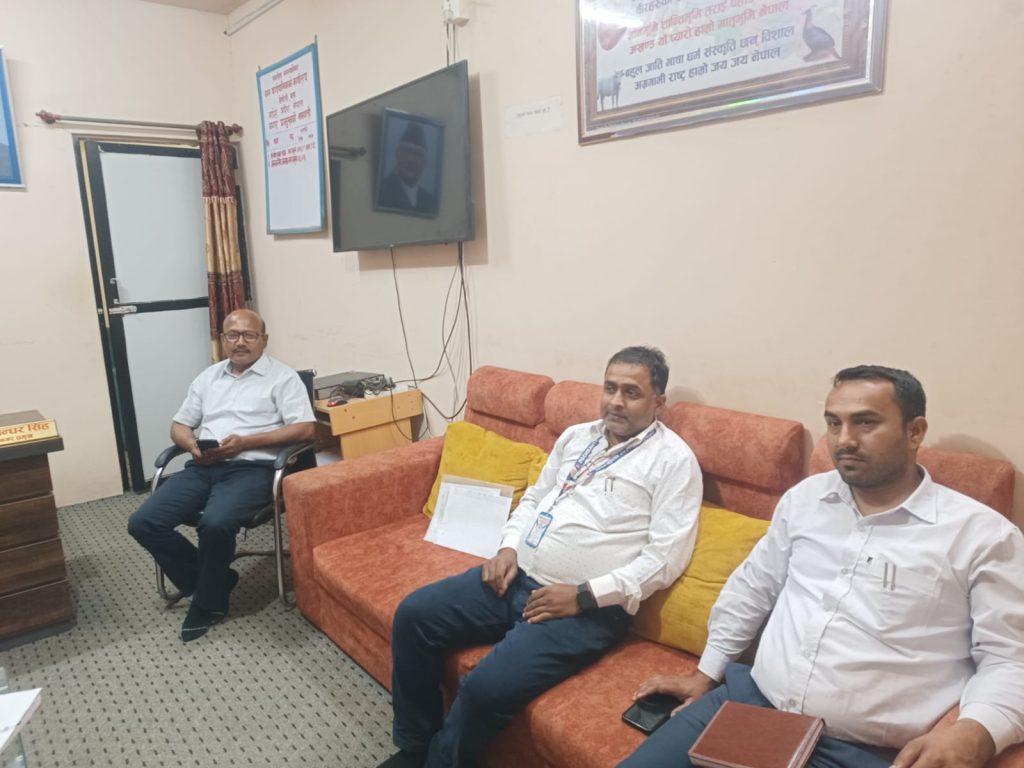
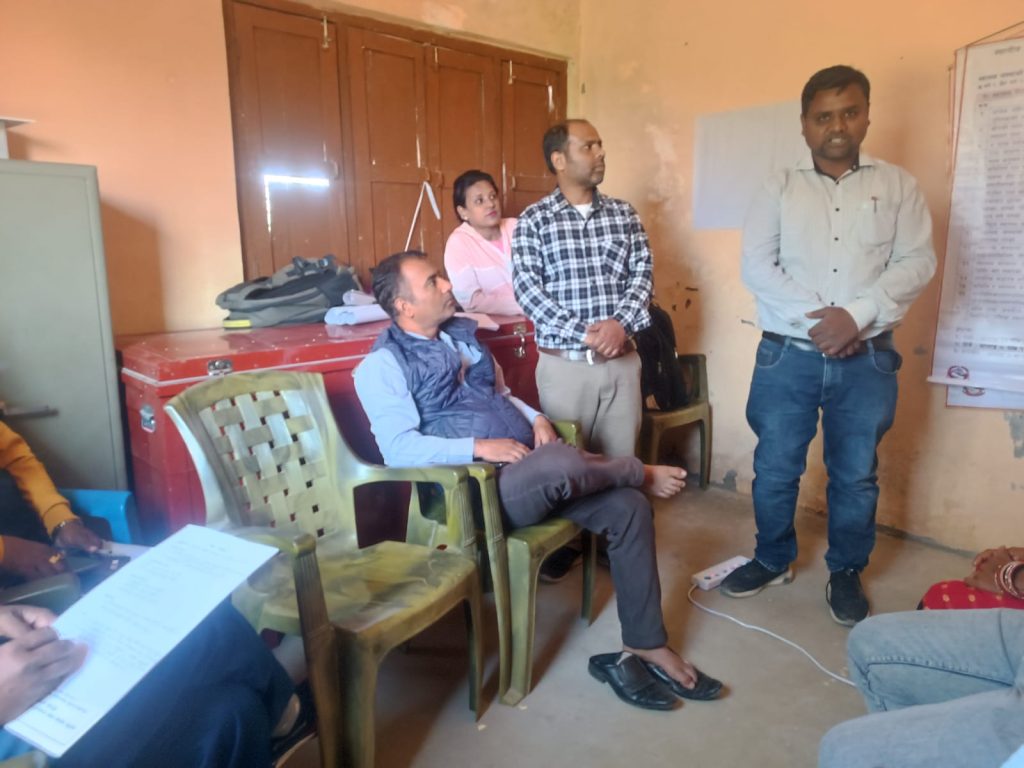
Support to conduct annual review and planning meeting at Palika level
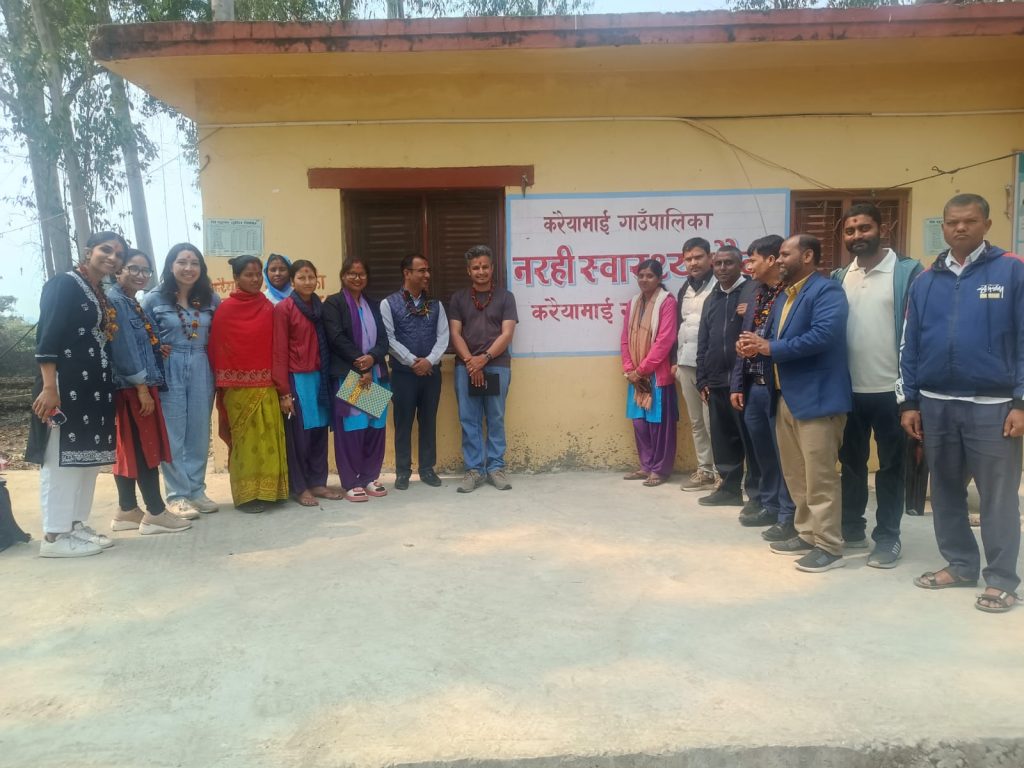
Joint supportive supervision and monitoring visits with representatives from local
municipalities,
DPAC/LPAC
OHW plan/progress sharing with DHO/DCC and Municipality.
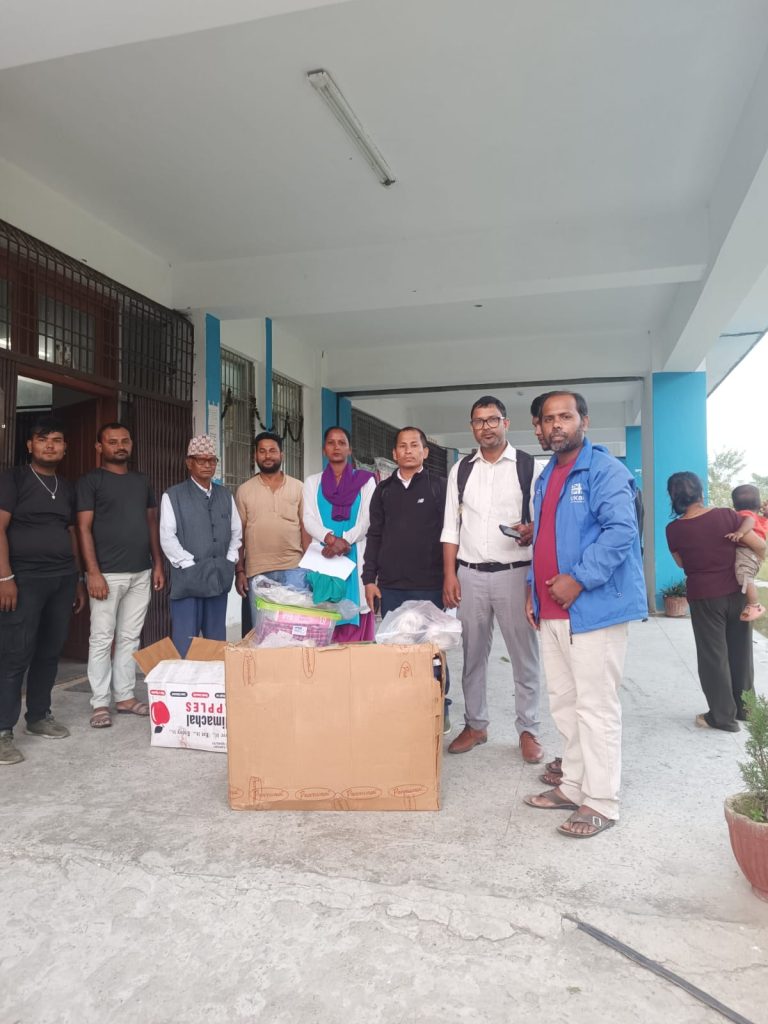
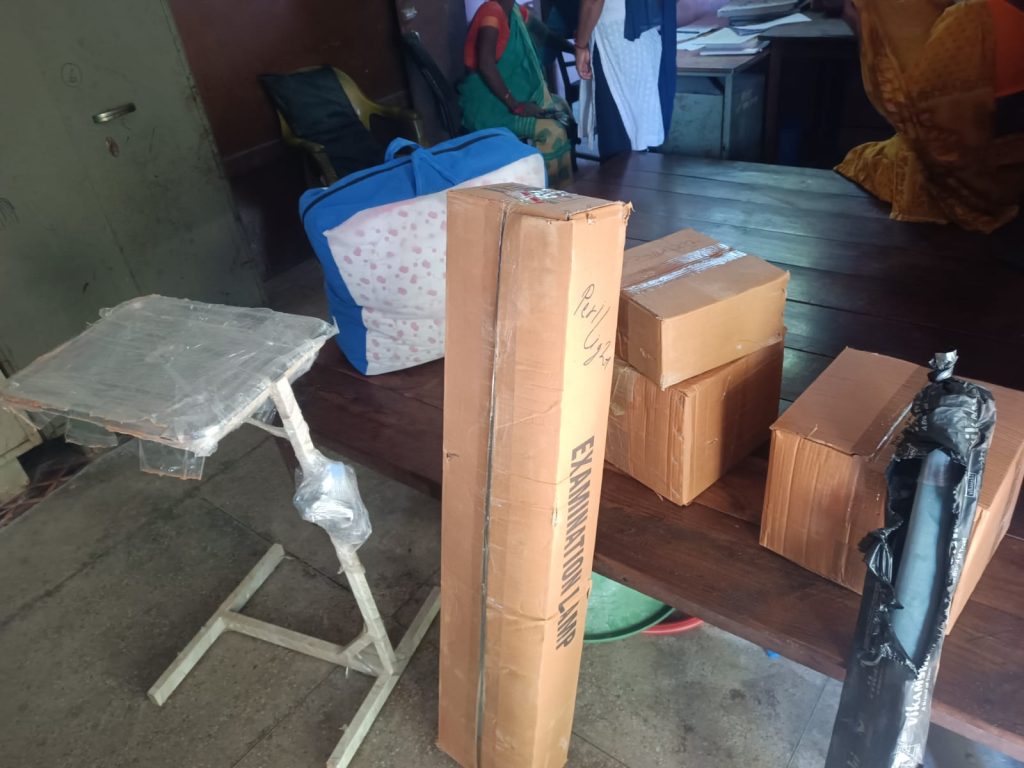
Equipment support to Birthing center.
2.Results/Achievements
Improved Access to MNH Services: There has been a noticeable increase in access to maternal
and newborn health (MNH) services, including antenatal care (ANC), postnatal care (PNC) visits,
and institutional deliveries.
Enhanced Capacity of Nursing Staff: Nursing staff have gained confidence and improved their
case-handling skills through the Simulation-Based Mentorship Program (SBMP).
Increased Accountability: HFOMC members and health staff have become more accountable,
supported by HFOMC and MSS assessments, particularly in managing birthing center equipment,
infection prevention (IP) materials, and lifesaving drugs.
Knowledge Strengthening of Frontline Workers: The knowledge of health workers and
Female Community Health Volunteers (FCHVs) on danger signs during pregnancy and the
postpartum period, as well as birth preparedness, has increased through BPP training.
Improved ANC Service Delivery: Most palikas have initiated the distribution of calcium and
folic acid tablets and soap during ANC check-ups to encourage service uptake at health facilities.
Improved Transparency and Clinical Practice at Birthing Centres: Birthing centres have
started to transparently display information on institutional delivery incentives. Additionally, the
proper use of partographs, job aids, and other clinical tools by nursing staff has increased.
Budget Realization and Allocation: Many palikas have recognized the importance of MNH
services and allocated budgets accordingly—for items such as IP materials, essential medicines,
equipment, PNC home visits, ROUSG mobile services, and salaries for contracted nursing staff.
ROUSG Mobile Service Commitment: Several palikas have acknowledged the need for and
committed to budgeting for the ROUSG mobile ultrasound service.
Annual PNC Home Visit Review: Palikas have initiated annual reviews and orientation sessions
to ensure the quality and timeliness of PNC home visits.
3.Key challenges and mitigation measures
Challenges/Barriers/Lessons learnt
JJYC Annual Report 2081-2082Community-level interaction and SATH programs have played a crucial role in improving and
increasing ANC/PNC service coverage. These initiatives have helped reduce home deliveries by
raising awareness and educating rural and marginalized populations about the importance of
institutional care and timely check-ups.
However, several challenges persist in ensuring the quality and consistency of maternal and
newborn health services:
Shortage of Skilled Human Resources: A limited number of trained nurses at birthing
centers and health facilities continues to affect the delivery of quality and timely services.
Inadequate Logistics and Equipment: Occasional stock-outs of essential medicines,
instruments, and infection prevention materials hinder effective service delivery at
birthing centers.
Weak Coordination: Limited coordination between palika leadership, health facility
staff, and community stakeholders affects planning, implementation, and follow-up of
SMNH activities.
Despite these challenges, key lessons have emerged:
Time management, decision making and leadership.
Behavior changes takes time.
Teamwork and collaboration for effective work within the team.
Good coordination and collaboration helps in achieving targets on time.
Regular Mentorship is Effective: On-site mentorship and coaching through the SBMP
program significantly boost staff confidence and improve the quality of care.
Community Engagement is Essential: The active involvement of FCHVs, HFOMC
members, and local leaders enhances community awareness and increases the utilization
of maternal and newborn health services.
Transparent Budgeting Enhances Ownership: When palikas allocate and utilize
budgets transparently for MNH services, it strengthens local ownership and promotes
sustainability.
“It has been difficult to obtain reports related to ROUSG check-ups because it is not
required to be reported in DHIS2
Positive changes: –
Increase access to MNH Service ANC, PNC visit, institutional delivery etc through
implementation of program
Increase skill in case handling and confidence of nursing staff through SBMP program
HFOMC member and staffs became accountable through HFOMC and MSS assessment for BC
equipment management, IP management and lifesaving drugs etc
Danger sign before and after pregnancy, birth preparedness etc of health workers and FCHVs
knowledge has been increased through BPP training and increase in ANC service and
institutional delivery
Most of palika has started to distribute Calcium tablet, folic acid tablet, soap during ANC check-
up for increasing ANC check-up at health facility.
Birthing centres have started displaying incentives distributed of institutional delivery in
transparent way and properly use of partograph, job aid etc. by nursing staff
JJYC Annual Report 2081-2082 Palikas have realized and allocated budget for MNH service (IP materials, medicines and
equipment, PNC home visit, ROUSG mobile service, salary of contract nursing staff etc.
Challenges:
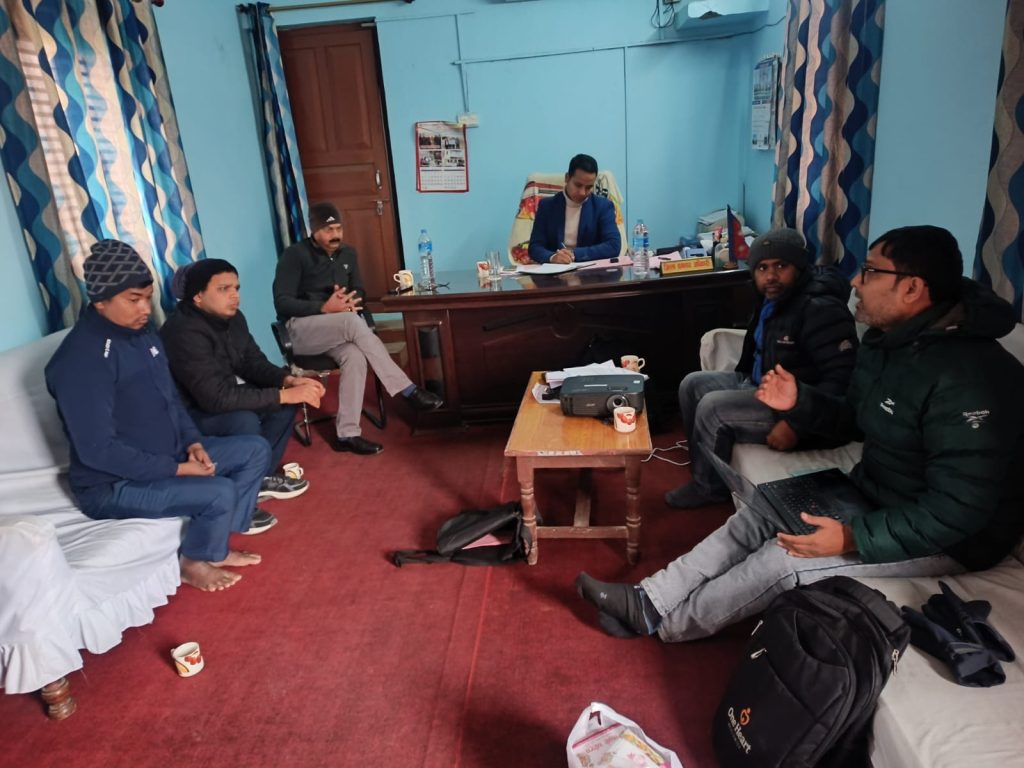
Duty busy schedule of local stakes holders its really difficult to manage their time for the
event.
As most of the local’s leaders are busy in their own work so they are unable to give time for us in
the event. And in the budget planning workshop they are the key participants so it’s really hard to
manage their time. Though they were having difficult to manage the time but we have taken the
support from our chair and he has coordinated with mayor an allocated their time.
One of the event of First time MSS has not done in this quarter as it was planned to conduct at
Amritgunj BC but delivery service of Amritgunj has been stopped due to not availability of SBA
trained staff as we are approaching for SBA trained manpower to mobilize over there and even
palika is planning to move one of the trained manpower at Amritgunj and soon it will service will
start.
Due to closing of fiscal year local stakeholders did not give much time as per our requirement.
One of our staff was on paternity leave due to that some of the non-clinical events could not
achieve on time.